The Art of Authentication: How to Verify the Authenticity of Luxury Timepieces
In the world of horology, authenticity is everything. Learn the essential techniques collectors use to verify the provenance and integrity of luxury timepieces.
The Foundation of Trust
In the realm of luxury timepieces, authenticity isn’t merely a detail—it’s the foundation upon which every meaningful collection is built. For collectors and connoisseurs, the ability to distinguish genuine craftsmanship from sophisticated counterfeits is both an art and a science. At The Tempus Order, we understand that every timepiece tells a story, and that story must begin with verified authenticity.
The market for luxury watches has never been more vibrant, but with opportunity comes risk. Counterfeiters have grown increasingly sophisticated, making authentication more critical than ever. Whether you’re acquiring your first significant piece or adding to an established collection, understanding the principles of authentication is essential.
The Five Pillars of Authentication
1. Movement Examination
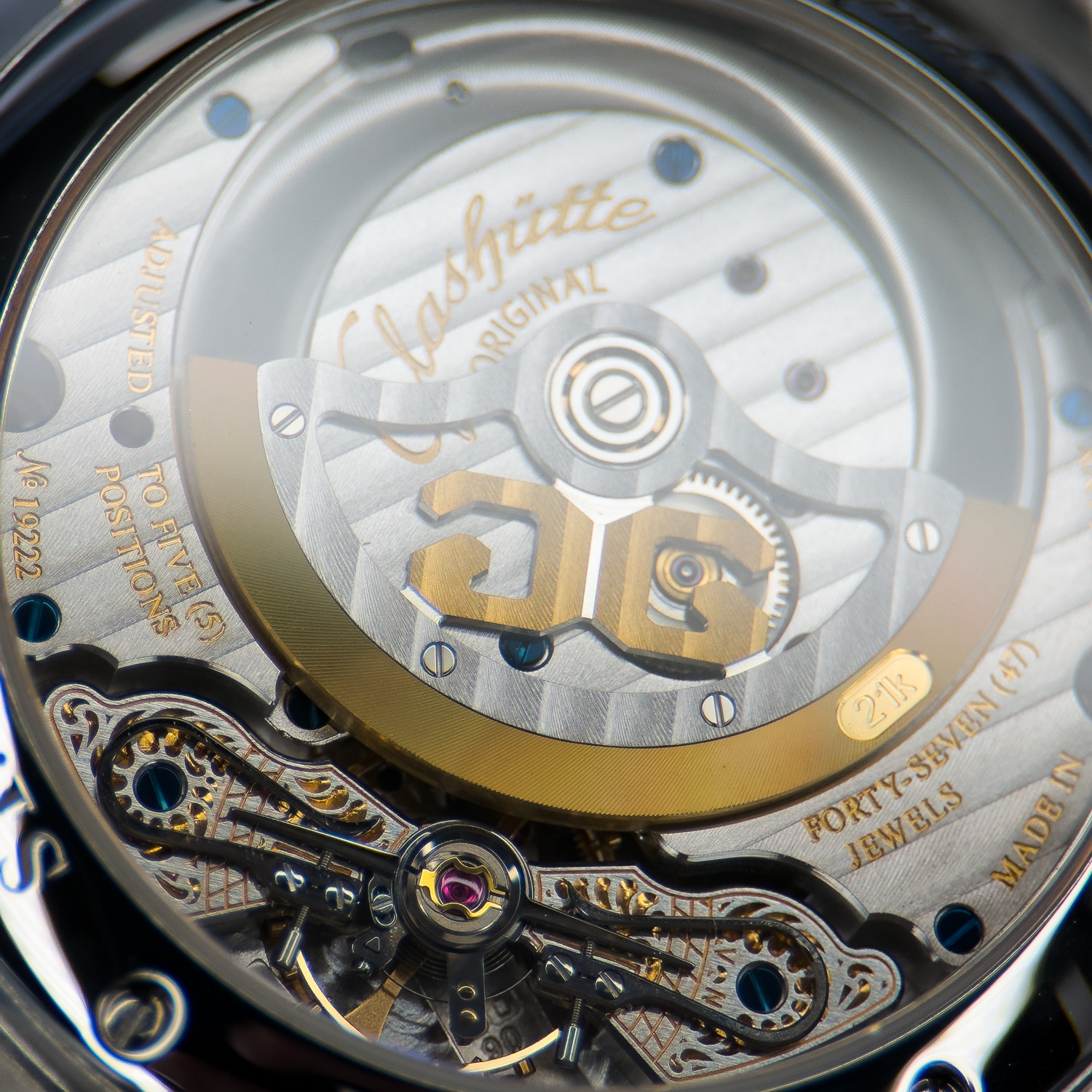
The heart of any timepiece lies in its movement—the intricate mechanism that powers its function. Authentic luxury watches feature movements that are works of art in themselves, with finishing techniques that counterfeiters cannot easily replicate.
Key indicators:
- Finishing quality: Look for Geneva stripes (Côtes de Genève), perlage, and chamfered edges on bridges and plates
- Engraving precision: Authentic movements feature crisp, precise engravings with consistent depth
- Jewel settings: Genuine movements use properly set synthetic rubies or sapphires as bearings
- Balance wheel: Examine the balance wheel’s construction and the quality of its adjustment screws
The movement should bear the manufacturer’s signature, serial number, and reference number, all executed with the precision that defines true horological excellence.
2. Case and Crown Analysis
The case of a luxury timepiece is more than a protective shell—it’s a statement of craftsmanship. Authentic cases demonstrate attention to detail that counterfeiters often overlook.
What to examine:
- Case back engravings: Serial numbers, reference numbers, and hallmarks should be deeply and precisely engraved
- Crown quality: The crown should feel substantial, with crisp logo engravings and smooth operation
- Case finishing: Look for consistent brushing, polishing, and beveling throughout
- Weight and heft: Authentic luxury watches have a specific weight that reflects their materials and construction
The case should feel like a single, cohesive piece of engineering, not an assembly of parts.
3. Dial and Hands Inspection
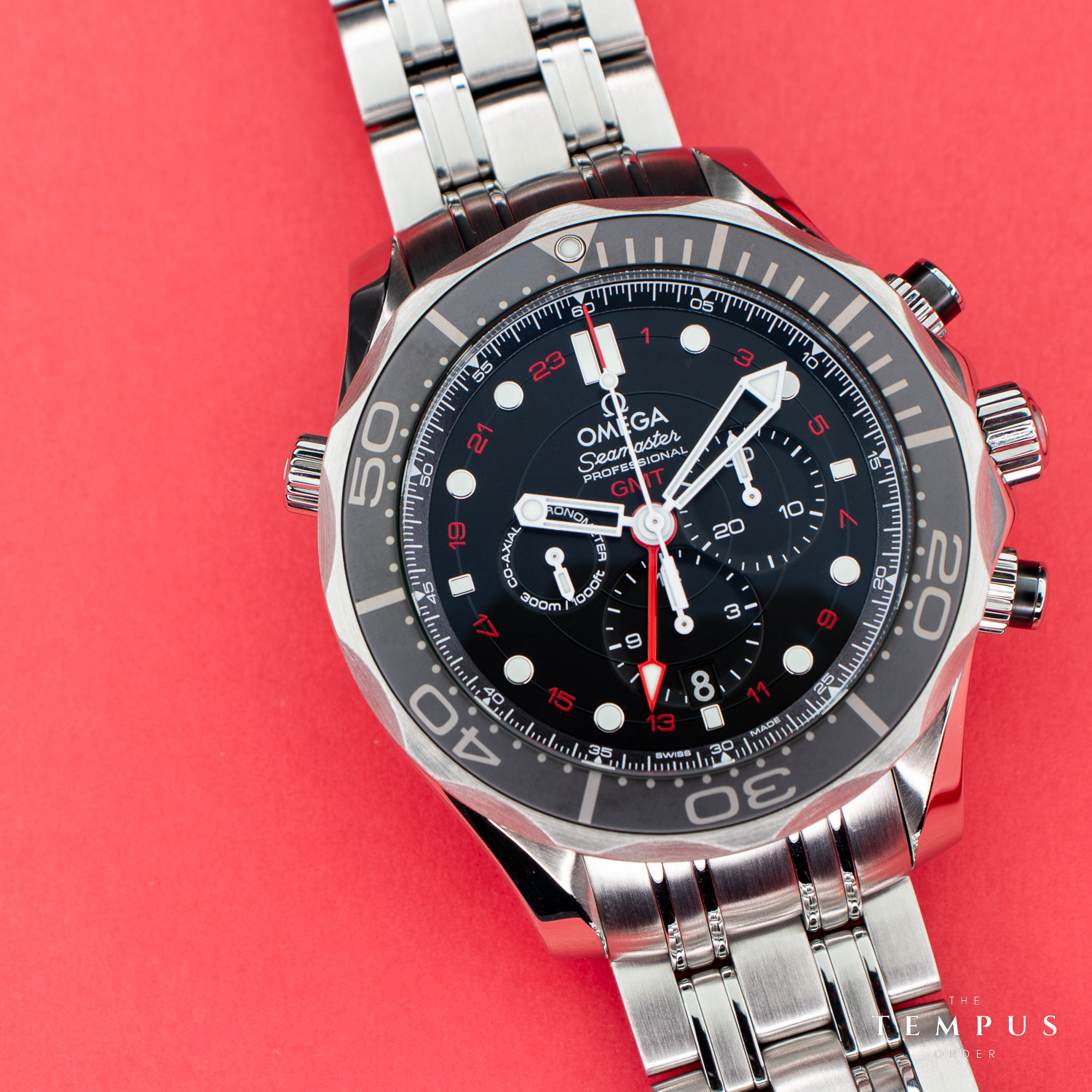
The dial is the face of the timepiece, and it’s here that many counterfeits reveal themselves. Authentic dials demonstrate a level of refinement that speaks to decades of manufacturing expertise.
Critical details:
- Print quality: Text and markers should be perfectly crisp, with no bleeding or inconsistencies
- Lume application: If present, lume should be evenly applied and properly aged
- Logo execution: Manufacturer logos should be precisely rendered, whether printed, applied, or engraved
- Date window: If present, the date should align perfectly and change crisply at midnight
The dial should feel like a work of precision, where every element serves both form and function.
4. Bracelet and Clasp Evaluation
The bracelet and clasp are often overlooked in authentication, but they’re among the most difficult elements for counterfeiters to replicate accurately.
Examine carefully:
- Link construction: Authentic bracelets feature precise link construction with consistent finishing
- Clasp mechanism: The clasp should operate smoothly with a satisfying, precise click
- Engravings: Clasp engravings should be deep, crisp, and properly aligned
- Weight distribution: The bracelet should feel balanced and substantial
A well-crafted bracelet feels like an extension of the case, with the same attention to detail throughout.
5. Documentation and Provenance
While physical examination is crucial, documentation provides essential context and verification.
Essential documents:
- Original papers: Warranty cards, certificates of authenticity, and instruction manuals
- Service history: Records of authorized service and maintenance
- Purchase documentation: Original receipts or invoices from authorized dealers
- Box and packaging: Original presentation boxes and packaging materials
Documentation should be consistent with the timepiece’s age and model, with no discrepancies in dates, serial numbers, or model references.
Red Flags: Warning Signs to Watch For
Even experienced collectors can encounter sophisticated counterfeits. Be alert to these warning signs:
- Price that seems too good to be true: Authentic luxury timepieces command specific market values
- Inconsistent quality: Mixed levels of finishing quality across different components
- Missing or incorrect hallmarks: Serial numbers, reference numbers, or manufacturer marks that don’t align
- Unusual wear patterns: Wear that doesn’t match the claimed age or usage
- Reluctance to provide documentation: Sellers who cannot or will not provide authentication materials
When in doubt, consult with experts. Authentication is a specialized skill, and there’s no substitute for professional verification.
The Role of Professional Authentication
While understanding these principles is valuable, professional authentication provides an additional layer of security. At The Tempus Order, every timepiece undergoes rigorous authentication by our team of horological experts. We examine not just the physical components, but the entire story of each piece—its provenance, its history, and its place in the broader narrative of horological excellence.
Professional authentication combines:
- Technical expertise: Deep knowledge of specific manufacturers, models, and production periods
- Access to resources: Reference materials, databases, and relationships with manufacturers
- Experience: Years of examining thousands of timepieces across all major brands
- Technology: Advanced tools and techniques for detecting even the most sophisticated counterfeits
Building Confidence in Your Collection
Authentication isn’t just about avoiding counterfeits—it’s about building confidence in your collection. When you know a timepiece is authentic, you can appreciate it fully, understanding that you’re holding a genuine piece of horological history.
Every authentic timepiece represents:
- Craftsmanship: The skill and dedication of master watchmakers
- Heritage: The traditions and innovations of legendary manufacturers
- Investment: A tangible asset with verified provenance
- Legacy: A piece that can be passed down with confidence
Conclusion: Authenticity as a Foundation
In the world of luxury timepieces, authenticity isn’t negotiable—it’s the foundation upon which everything else is built. Whether you’re beginning your collecting journey or adding to an established collection, understanding authentication principles empowers you to make informed decisions.
At The Tempus Order, we believe that every collector deserves confidence in their acquisitions. That’s why we’ve built our reputation on rigorous authentication, transparent communication, and an unwavering commitment to integrity. When rarity is the rule, authenticity is the standard.
Remember: the most valuable timepiece in your collection is one whose authenticity you can verify with complete confidence. Take the time to learn, to examine, and when necessary, to consult experts. Your collection—and your peace of mind—deserve nothing less.
Interested in learning more about authentication or examining a timepiece in our collection? Contact our experts to discuss your horological interests.